

Categories
Homeowner Tips, Home Buying Tips, Michigan Real EstatePublished October 30, 2026
Just Bought a Home in Michigan? Property Tax Must-Knows


One form, filed on time, can save Michigan homeowners hundreds or even thousands of dollars a year. Here's what every new homeowner should know.
Congratulations on your new home! Once the boxes are unpacked, there's one more thing worth your attention: property taxes.
Michigan's property tax system has a few rules that surprise new homeowners, and a couple of deadlines that are easy to miss. This guide covers the basics so you can avoid overpaying and plan ahead.
Please note: This article is general information, not tax or legal advice. Rules and deadlines can change, so confirm details with your local assessor or a qualified tax professional.
1. Claim Your Principal Residence Exemption (PRE)
If the home is your primary residence, you may qualify for Michigan's Principal Residence Exemption, often called the "homestead exemption." It exempts your home from a large portion of local school operating taxes, which can make a significant difference in your bill.
To claim it, you file the Principal Residence Exemption Affidavit (Form 2368) with your city or township assessor. Filing deadlines are June 1 (for the summer tax levy) and November 1 (for the winter levy). Many buyers complete this form at closing, but it's worth confirming with your assessor's office that it was received.
Missed a deadline? Ask your local assessor about your options. In some cases, the exemption can be addressed through the local Board of Review.

2. Why Your Taxes May Be Higher Than the Seller's
This is the one that surprises people most. In Michigan, the annual increase in a home's taxable value is capped while the same owner holds it, at the rate of inflation or 5%, whichever is lower. Over many years, a long-time owner's taxable value can end up well below the home's market value.
When the home sells, the taxable value "uncaps" the following year and resets based on the current assessed value. That means your tax bill may be noticeably higher than what the previous owner paid.
Tip for buyers: don't budget based on the seller's tax bill. Ask your agent or the local assessor for an estimate based on the purchase price and your exemption status.
3. Summer and Winter Tax Bills
Many Michigan communities send two property tax bills a year: a summer bill (typically issued in July) and a winter bill (typically issued in December). Due dates vary by city or township.
If your lender escrows your taxes, it pays these bills for you. If not, mark the due dates on your calendar. Either way, check your first bills to make sure your PRE was applied.
4. Read Your Assessment Notice
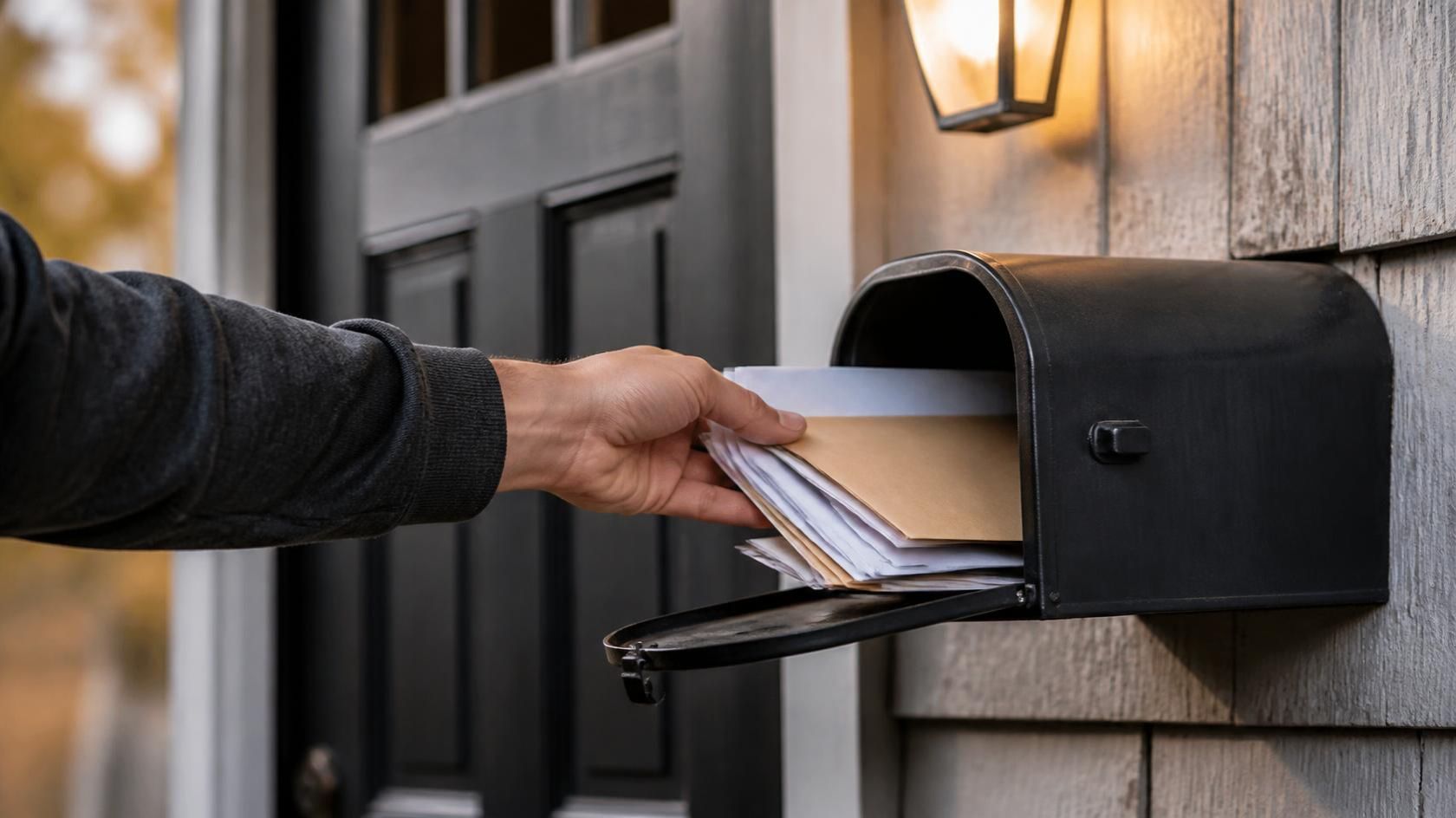
Each year, usually in late winter, your assessor mails an assessment notice showing your home's assessed value, taxable value, and exemption status. Review it carefully. If you believe the assessment is incorrect, you can typically appeal to your local March Board of Review. The notice will list the dates and how to apply.
5. Other Forms and Credits to Know
• Property Transfer Affidavit (Form 2766): must be filed with the local assessor within 45 days of a transfer. This is often handled at closing, but confirm it was filed to avoid penalties.
• Homestead Property Tax Credit (MI-1040CR): some Michigan homeowners and renters may qualify for a state income tax credit based on property taxes and household income. Ask your tax preparer whether you're eligible.
• Mortgage interest and property tax deductions: depending on your situation, these may affect your federal taxes. Keep your closing disclosure and year-end mortgage statement for your tax preparer.
Your New-Homeowner Tax Checklist
• Confirm your Principal Residence Exemption (Form 2368) is on file
• Confirm the Property Transfer Affidavit (Form 2766) was filed
• Find out whether your lender escrows your property taxes
• Add summer and winter tax due dates to your calendar
• Save your closing disclosure in a safe, accessible place
• Watch for your assessment notice and review it carefully
• Ask your tax preparer about the Homestead Property Tax Credit and deductions

Have Questions After Closing? We're Still Here.
Buying a home is a big milestone, and the paperwork doesn't always stop at the closing table.
At LIVgreat Real Estate, we're here for you long after you get the keys. Not sure whether your exemption was filed, or want help estimating taxes on a home you're considering? Reach out to our team. We'll point you in the right direction.
-----------------------------
Written by LIVgreat Real Estate, your trusted Washtenaw County real estate experts.
Email: hello@livgreatrealestate.com
Website: https://livgreatrealestate.com
Follow us on social media!
Facebook: LIVgreatrealestateA2
Instagram: @livgreatrealestate
YouTube: @LIVgreatRealestateA2
TikTok: livgreatrealestate
Stay inspired and informed even on the go! Tune in to our podcast for real estate tips, local insights, and motivation designed to guide your journey.

Erin Galinac
| LIVGreat Real Estate | Good Company | PLACE
or another way