

Categories
Buyer TipsPublished May 8, 2026
Is This Home Overpriced Compared to Comps?

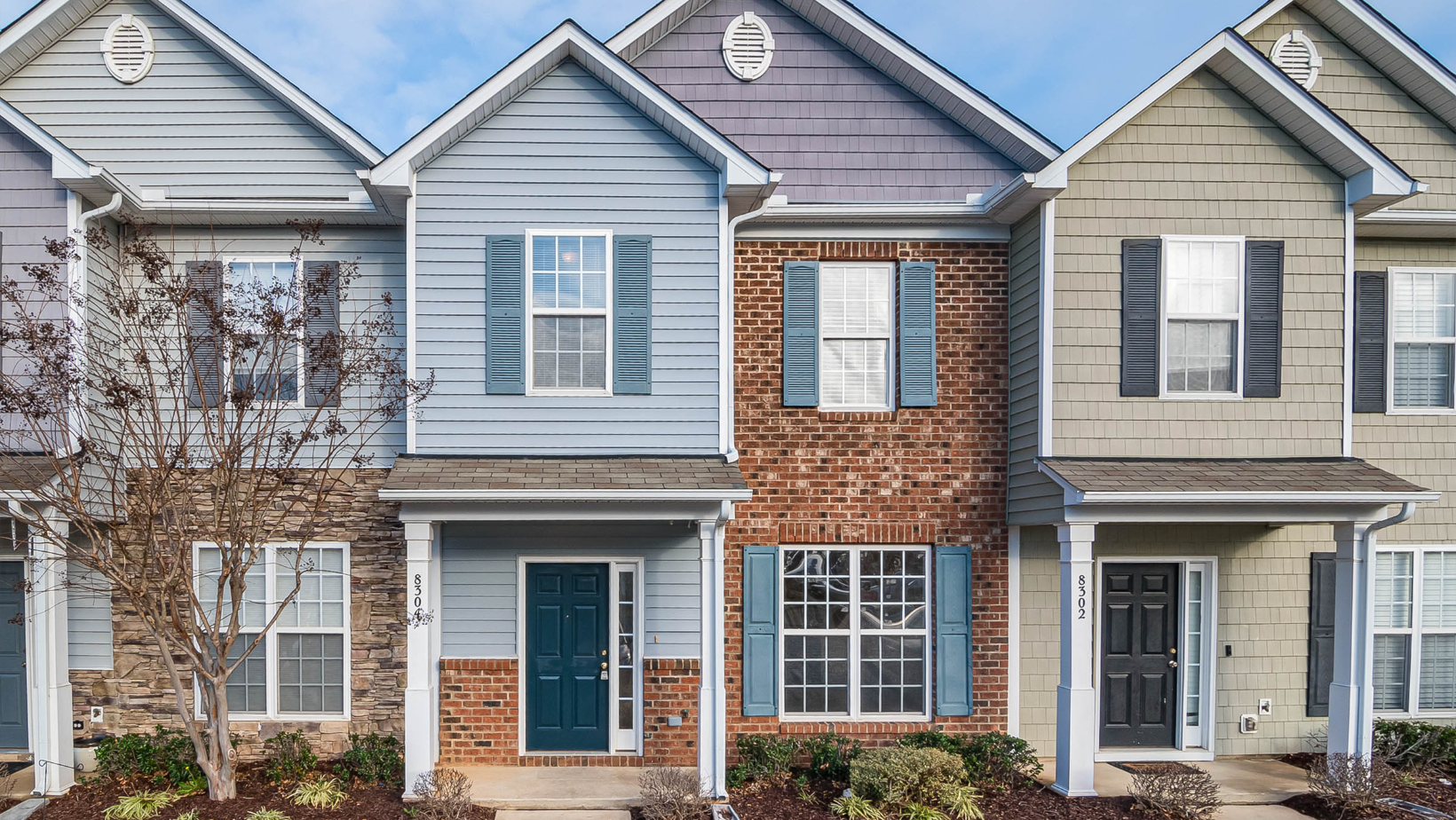
Is This Home Overpriced Compared to Comps?
You’ve found a home you love—and then the question hits: is it actually worth the price?
In 2026, buyers are more informed than ever. With sales data just a click away, it’s tempting to do a quick comparison and assume you’ve cracked the code—but pricing isn’t always that simple.
Two homes in the same neighborhood can vary widely in value based on updates, layout, condition, lot characteristics, and even natural light or overall “feel.”
What “Comps” Really Mean (and Why Some Comparisons Mislead)
A true comparable isn’t just a house nearby that sold recently—it’s a home that’s genuinely similar in the ways that matter most.
When you’re evaluating whether a home is overpriced, look beyond the headline sale prices and ask:
- Does it match on the big value drivers? Similar size, bed/bath count, lot, and location.
- Is the condition comparable? Updated homes don’t compete with fixer-uppers in the same way—even if they’re on the same street.
- Do the layouts function similarly? Two homes can have the same square footage, but one may live much better (open flow, better bedroom placement, more usable space).
- Are there hidden cost differences? Roof age, HVAC, windows, foundation, sewer line, and deferred maintenance can change the “real” price fast.
When a Home Looks Overpriced… But Might Be Priced Right
A home can look overpriced at first glance, but if it’s fully updated, move-in ready, and positioned in a prime micro-location, it may actually be aligned with the market—especially if the “cheaper” comps lacked upgrades or had drawbacks.
Want help identifying the right comps (not just the closest ones)? Reach out to our team and we’ll send you a quick, buyer-friendly comp snapshot for the home you’re watching.
When a Lower Price Isn’t Actually a Better Deal
On the flip side, a lower-priced home might require major repairs or updates—meaning your total investment could end up higher than the “overpriced” home once you factor in renovations, time, and risk.
That’s why the goal isn’t just to compare list price vs. sold price—it’s to compare value vs. total cost to own.
A Simple Way to Pressure-Test the Price (Before You Offer)
Before you get emotionally anchored to the list price, use this quick framework:
- Compare only true comps (similar size, location, condition).
- Adjust mentally for upgrades (updated kitchen/baths, systems, roof, etc.).
- Estimate “fixer costs” if the home isn’t move-in ready.
- Check current competition (active listings + pending homes often tell the most relevant story).
Next Steps
If you want a deeper breakdown of how pricing works from search to offer, explore our Homebuying Process Guide.
Want to compare in real time? See Homes Available in Your Area to spot patterns in pricing, condition, and features.
And if you want expert guidance before you write an offer, schedule a free homebuying consultation with our team—no pressure, just clarity.
If you’re also curious what a home could realistically sell for (or what you should offer based on today’s market), we can share a fast pricing reality-check using our home valuation tools as part of the conversation.
_____________
Written by LIVgreat Real Estate, your trusted Washtenaw County real estate experts.
Email: hello@livgreatrealestate.com
Website: https://livgreatrealestate.com
Follow us on social media!
Facebook: LIVgreatrealestateA2
Instagram: @livgreatrealestate
YouTube: @LIVgreatRealestateA2
TikTok: livgreatrealestate
🎧 Listen to our Podcast
Stay inspired and informed even on the go! Tune in to our podcast for real estate tips, local insights, and motivation designed to guide your journey.

Erin Galinac
| LIVGreat Real Estate | Good Company | PLACE
or another way